Signal File: how organisations are absorbing AI into everyday work
As AI moves deeper into everyday work, organisations are confronting redesign, fear, governance and experience in parallel. This week’s signals show why the next phase of change will be organisational
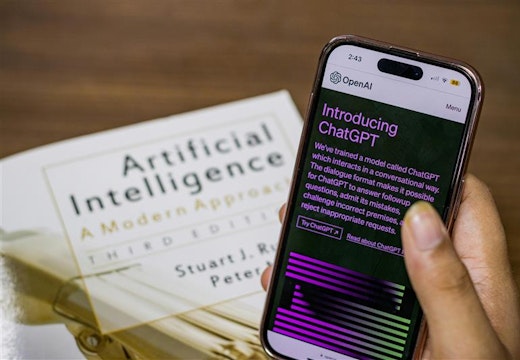
The next phase of AI at work is all about consequence. This week’s signals reveal organisations trying to steady employee anxiety, rethink how work is designed, govern increasingly embedded tools, and even experiment with how technology shapes memory and mood. As AI becomes less visible and more woven into daily experience, the real risk is poorly designed integration.
Tech and HR leaders align on AI-driven work redesign
New Fortune reporting shows technology and HR leaders are increasingly collaborating on how AI reshapes day-to-day work. Organisations are deciding which tasks to automate, where human judgement and connection remain essential, and how internal tools such as chatbots can support employees without hollowing out roles.
In action: Treat AI deployment as a shared design challenge, aligning technology, people teams and leadership to balance efficiency with meaningful work and human connection.
AI anxiety runs ahead of reality
Only a small share of recent layoffs can be directly linked to AI, yet worker fears are growing much faster than the data supports. Perceptions of widespread replacement, particularly among Gen Z, are fuelling distrust and anxiety despite limited evidence of large-scale AI-driven job loss so far.
In action: Close the perception gap with clear communication. Share real data on AI’s impact, explain how roles are changing, and involve employees early to prevent fear shaping the narrative.
AI assistants move into everyday work tools
Anthropic has enabled Claude to interact directly with workplace tools like Slack, Asana and Figma inside the chat interface, reducing the need to switch between apps. Built on the Model Context Protocol (MCP), the update focuses on reducing friction between AI and existing workplace tools. While this promises efficiency, higher autonomy raises new questions around governance and oversight, especially as some features remain limited for regulated environments.
In action: Treat embedded AI as a workflow change – define clear permissions, visibility and guardrails before scaling use.
AI turns memory into scent
MIT Media Lab has developed a prototype that uses generative AI to translate photographs into bespoke fragrances. The Anemoia Device analyses an image and allows users to shape perspective and emotional tone before producing a custom scent. Beyond nostalgia, the project highlights scent as a programmable layer of experience.
In action: Move scent management beyond ambient branding toward purposeful, situational design that supports mood, memory and wellbeing.