Why a sharper focus on user preferences can aid return to office
New research from Eindhoven University of Technology probes how key workplace design features can decide whether people attend the office – or choose to stay away
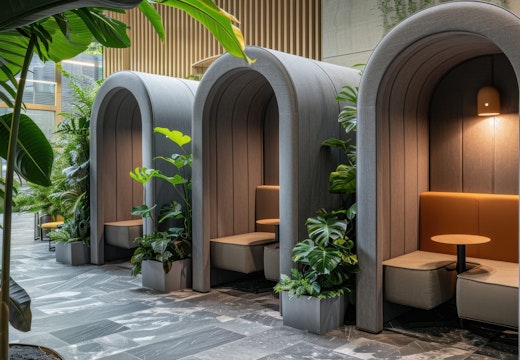
Under scrutiny: what’s right and wrong with activity-based workplaces
Despite its worldwide popularity as a design model for office space, new research from Sweden reveals some familiar limitations of the activity-based workplace

Neuroscience research supports designing to counter burnout
Can the design of the physical environment counteract exhaustion and anxiety at work? A new Dutch study on lighting levels adds to a growing body of evidence in the field
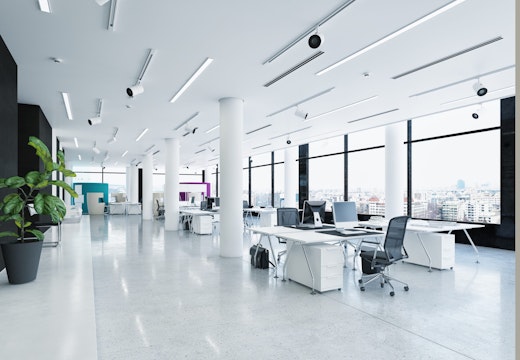
Light and day: the complexity of combining natural and artificial light
Circadian lighting is increasingly being used in offices to mimic the natural rhythms of daylight, but new research shows that supplementing natural light with electric sources is not easy to achieve

New US research on videoconferencing pinpoints poor experience
Virtual meetings can be tiring and distracting with a lack of spontaneous interaction. Researchers are trying to figure out ways to design a better user experience
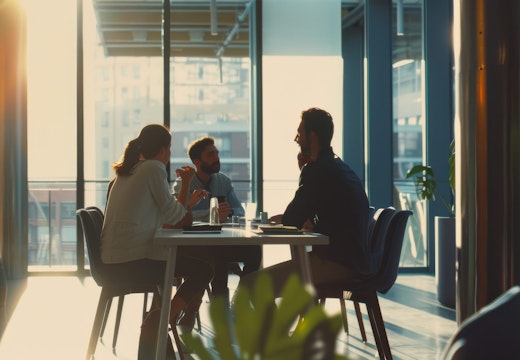
Prosocial behaviour: design prompts that support citizenship
Work communities depend on people behaving in a civil way to each other. Research suggests that design can play a role in helping us get along – from use of plants, mirrors and scent to creating order

Why beauty in the workplace is in the mind of the beholder
Talking about aesthetics in the workplace can take up a lot of time. But neuroscience research suggests the effort will be worth it as a new study explores the value of balance, symmetry and harmony

Why welcoming workplaces are closely linked to biophilic design
Neuroscience research into the design of hotel lobbies has a lot to tell us about creating a more hospitable workplace where people are happy to spend their time