The long frontier: designing workplaces for every stage in life
Inclusive workplace design should recognise that needs aren’t static, they evolve with time; creating adaptable environments that support wellbeing, comfort and accessibility across a longer working lifecycle
Inclusive workplace design is increasingly geared toward understanding the diverse experiences and changing needs of people throughout longer working lives. As organisations look to create environments that support long-term participation, thoughtful design specification can play a significant role in aiding people to perform at their highest level through later stages of their careers.
Overlooking adaptability
An area where this approach is particularly relevant is the design of workplaces that cater to and for menopause. Environmental factors such as temperature, ventilation, lighting and private areas can have a significant impact on how people experiencing menopausal symptoms navigate their working day.
A Mayo Clinic study, the Impact of Menopause Symptoms on Women in the Workplace (2023), evaluated that menopausal symptoms cost an estimated $1.8 billion a year to US companies in lost work, excluding and not accounting for additional monetary losses in reduced hours, job loss, early retirement and job changes. The cost to companies rose to an estimated $26.6 billion once medical expenses were included.
Closing a productivity gap
The considerations extend beyond organisational cost and leak into the actual workplace experience. A Chartered Institute of Personnel and Development report, Menopause in the workplace (UK, 2023) noted that the women in their research group pointed to lower concentration (79%), higher stress (68%), less patience (49%) and reduced physical capability (46%) in unsupported workplaces. Furthermore, only around 24% said their organisation had a stated menopause policy or support measures in place for them.
Most notably, the same report concluded that 17% of women surveyed had considered leaving their employer due to lack of support, with 6% having actionably left the workplace. The Fawcett Society’s Menopause in the Workplace (UK, 2022) reiterated the trend, finding 14% of the 4,000 women surveyed had reduced their hours, a further 8% reported not having applied for a promotion in direct correlation to their menopausal experience.
Designing workplaces with greater flexibility and environmental control can therefore play a vital role in supporting a diverse workforce to remain not only comfortable, but focused and productive; whilst simultaneously incentivising the retention of staff.
A considered approach to workplace design
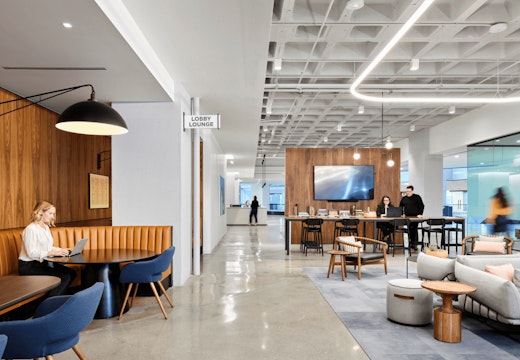
Inclusive workplace design offers people greater choice, comfort and control in their working environment. This may include locating lockers close to washroom facilities, providing easy access to water coolers or creating quiet or private areas where employees can take a moment away from crowded or busy workspaces.
JLL’s guide to creating a more menopause-friendly workplace (2025) cites the importance of natural light, as well as marking zones that run hotter or cooler so employees can choose their desk accordingly. Similarly, Buro Happold proposed that ‘sensory mapping’: allowing people to pick desks by air quality, morning and afternoon temperature and proximity to toilets and water coolers, can drastically improve the conditions of a working environment for those in the midst of menopausal symptoms.
With approximately 320 million women aged 45-59 contributing to the global workforce and further data from the Buro Happold (UK) suggesting that women of menopausal age represent the fastest growing workplace demographic, the subject has risen from taboo to one of valued importance across the corporate agenda.
Individually, these interventions may appear small, but together they build a picture of a more responsive workplace that supports people through longer careers and subsequent evolving needs. Underscoring the value of it all, inclusive design benefits the wider workforce as well, extending its value well beyond those experiencing menopause.