Samples to systems: how AI is reshaping design decisions
The specification process is evolving from a manual exercise into a digitally connected ecosystem shaped by AI, data and material transparency, according to flooring manufacturer Mohawk Group
For years, specification has been treated as one of the most technical and administrative parts of the design process. Yet as workplaces become more experience-led, sustainability targets tighten and projects move at greater speed, the act of specification becoming more strategic.
A new generation of digital tools is changing how architects and designers navigate material selection, coordination and compliance. Increasingly, the process is being shaped by AI-powered platforms, integrated material databases and intelligent visualisation tools that aim to reduce friction between concept and delivery.
The shift reflects a broader transformation taking place across the design industry which is moving specification from a fragmented, manual process towards a more connected and data-rich workflow.
From product selection to decision intelligence
Designers today are operating within growing layers of complexity. Alongside aesthetics and performance, teams are expected to consider embodied carbon, lifecycle impact, circularity, occupant wellbeing and supply chain transparency – often under increasingly compressed project timelines.
Platforms are now emerging that support faster decision-making, automate repetitive tasks and help designers coordinate choices across multiple systems and surfaces.
AI is beginning to play a particularly important role here. Image-recognition technology, for example, is now enabling designers to photograph materials and identify similar alternatives instantly, dramatically reducing the time spent searching through catalogues and samples.
The growing importance of material transparency
At the same time, sustainability reporting requirements are placing greater pressure on manufacturers to provide transparent product information.
Environmental Product Declarations (EPDs), Health Product Declarations (HPDs) and lifecycle data are becoming increasingly important specification tools rather than supplementary documents. Designers now needs to evaluate how materials contribute to wider organisational ESG goals and certifications.
This is reshaping expectations around accessibility and usability of product data. Rather than navigating disconnected technical sheets and third-party platforms, designers are looking for centralised ecosystems where sustainability credentials, technical specifications and visual coordination tools exist within a single workflow.
Colour coordination enters the digital era
Another emerging trend is the digitisation of colour and material coordination.
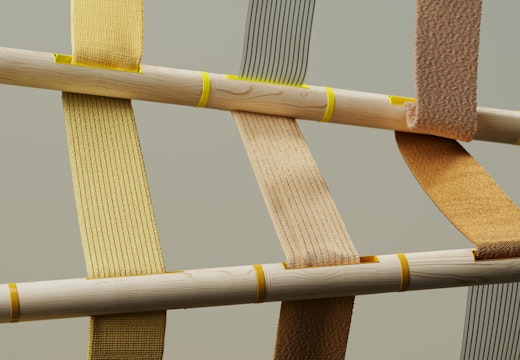
Historically, achieving cohesion across flooring, wall finishes and adjacent surfaces required extensive physical sampling and manual comparison. Increasingly, digital coordination tools are streamlining this process by enabling designers to match colours across different materials and brands within a single platform.
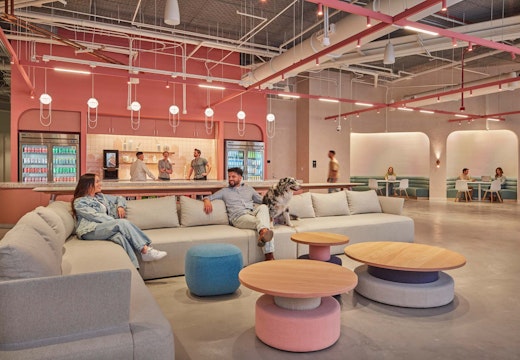
This matters because workplace design is becoming more layered and hospitality-led. As organisations seek to create spaces that feel emotionally engaging and brand-aligned, material consistency across environments is gaining strategic importance.
Digital colour harmonisation tools also support a more agile design process, particularly in large-scale projects where teams are working across multiple locations and stakeholders.
Towards a more connected specification ecosystem
The specification process is unlikely to disappear into full automation. Design judgement, creativity and contextual thinking remain critical. But the tools surrounding specification are becoming more intelligent, predictive and integrated.
Specification is becoming less about sourcing products and more about enabling better design decisions. For the design industry, that could fundamentally change the relationship between creativity, data and delivery over the next decade.
To learn more about emerging specification technologies and digital material tools, see the latest insights from Mohawk Group.