Talent attraction and retention

Why a rigid return to the office will drive high performers away
More companies are enforcing rather than encouraging a return to the office. That’s a bad idea, according to new Gartner research, because it will drain organisations of their top talent

Health and work: can we design a more interconnected approach?
Workplace wellbeing has moved up the agenda since the pandemic, but are we addressing the issue in sufficient depth? Design Alphbet explores a more holistic framework for health and work in new article series
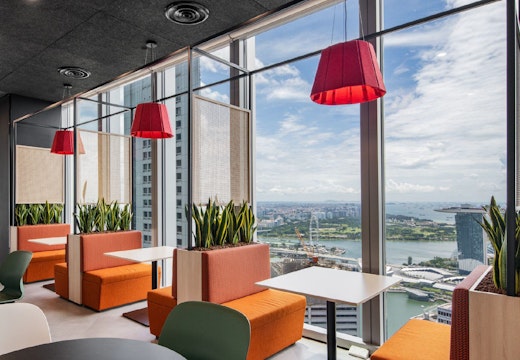
People-centric placemaking: designing for psychological safety
Designing for wellbeing means putting people before infrastructure. In the final article in our series with design firm Design Alphabet on health and work, we explore the benefits of creating a sense of place and belonging

Designing for diversity: healthy culture, healthy employees
Designing for a more diverse workforce must go deeper than providing ramps for wheelchairs. In the latest in our series on health and work with Design Alphabets, we explore the wellbeing benefits of being welcomed and respected

Biomorphism: designing natural systems for natural ways of working
The links between biophilic design and human health are today well understood. But could a deeper engagement with natural systems through biomorphism generate greater wellbeing at work?

How the hybrid model impacts connections between work and health
Hybrid working offers more choice to employees but is complex to manage. The second in an article series with Design Alphabet looks at the challenge of creating a more holistic connection between health and work

Health and work: can we design a more interconnected approach?
Workplace wellbeing has been moving up the agenda since the pandemic, but are we addressing the issue in sufficient depth? A new article series with Design Alphabet explores a more holistic framework for health and work

Meanwhile workspaces: an emerging solution for the modern city?
How do you meet a desire for local, accessible workspaces? Underutilised land in cities might provide the answer, with meanwhile offices popping up all over London