In association with

design thinking

Smart cities: turning connected technology into economic opportunity
New research from JLL’s Matthew Marson and Ibrahim Yate reveals the scale of economic returns from investing in smarter cities, with billions of dollars in economic value on the line

Self-driving laboratories: how AI is reshaping the life science workplace
As life sciences move toward autonomous research, the laboratory is being redesigned around a shift in how scientists work, at a time when AI and robotics are taking over the market

What post-industrial cities can learn from a Vermont oven factory
As occupiers demand greener, more flexible workplaces, a former Vermont oven factory, now a low-energy tech campus, shows how industrial reuse can deliver the workplace of the future

The long frontier: designing workplaces for every stage in life
Inclusive workplace design should recognise that needs aren’t static, they evolve with time; creating adaptable environments that support wellbeing, comfort and accessibility across a longer working lifecycle

Will the universality of AI knowledge make every space look the same?
Use of AI in the design of environments is currently hit and miss, but in the near future access to verified knowledge will improve. At that point, designers will face difficult ethical choices

How the metaverse came unstuck over the hardware of headsets
Could the real reason for Meta’s retreat from its vision for the metaverse be that people feel self-conscious wearing headsets and there is suspicion around sinister-looking goggles?
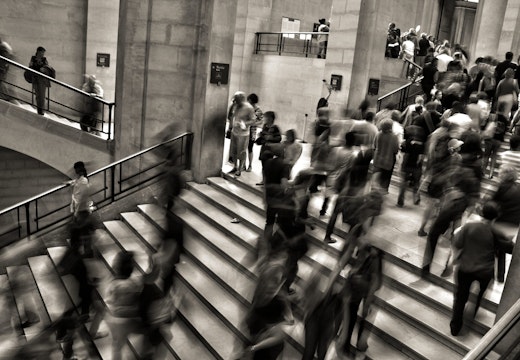
How the neuroscience behind wayfinding can build belonging
Our brains work the same whether finding our way around busy offices or bustling cities, according to Tim Fendley, keynote speaker at the upcoming WORKTECH Berlin

After the return: can the office really raise levels of performance?
Bringing people back to the office is one thing. Improving productivity once there is another. A new report looks at the evidence for and against in-office working as a lever for productivity