Partners
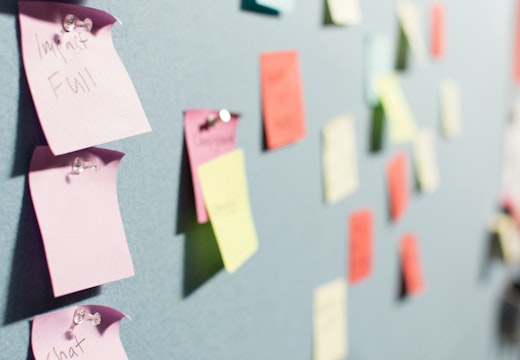
Six essential building blocks for a better workplace experience
What create a memorable event with universal appeal? In the first of a three-part series on designing a better workplace experience, we report on the findings of a special creative workshop

Health and work: can we design a more interconnected approach?
Workplace wellbeing has been moving up the agenda since the pandemic, but are we addressing the issue in sufficient depth? A new article series with Design Alphabet explores a more holistic framework for health and work

Are workplace superapps the next go-to tool for the workplace?
Workplace superapps are on the rise, but how are they serving the work ecoystem? A combination of complete integration and personalisation will make these tools indispensable, says a new CXApp report

Bringing a multi-disciplinary lens to designing the cityscape
Award-winning architect, Scott Kilbourn, is the Director of North America at Design Alphabet and an expert on designing at the city scale. In this interview, he explains how urban form will central to the future of work

How culture and creativity drive people-centric design focus
At Design Alphabet, the exposure of our diverse and forward-thinking design teams to new artistic and cultural influences is key to building a deep and enduring connection with our clients

Charting the evolution of office design to Workplace 3.0
Office space has undergone a natural evolution, driven by culture, economic growth, technology and aesthetic changes. But what did the first offices look like and how have they changed since then?
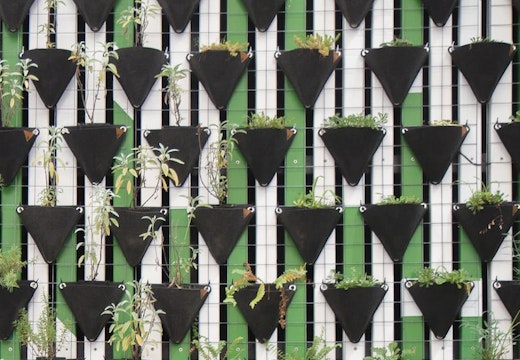
The bigger picture: securing the future with sustainable design
Committing to sustainability isn’t just positive for the environment – it can be a driver of change for employee engagement, design innovation and collaboration with partners and clients
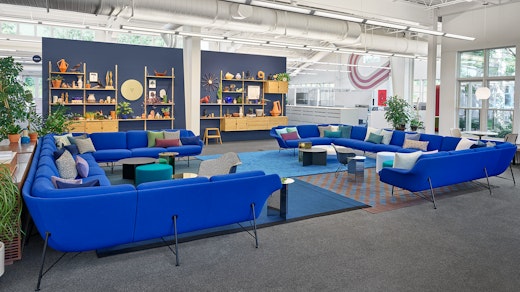
New rules of work: redefining ‘modern’ for the 21st century
In this short video for Bloomberg, MillerKnoll sets out a vision for a future office based on providing more variety and choice – and on being more responsive to a diverse array of user needs